High-performance processing additives for smoother plastic film production.
Get a Quick Quote
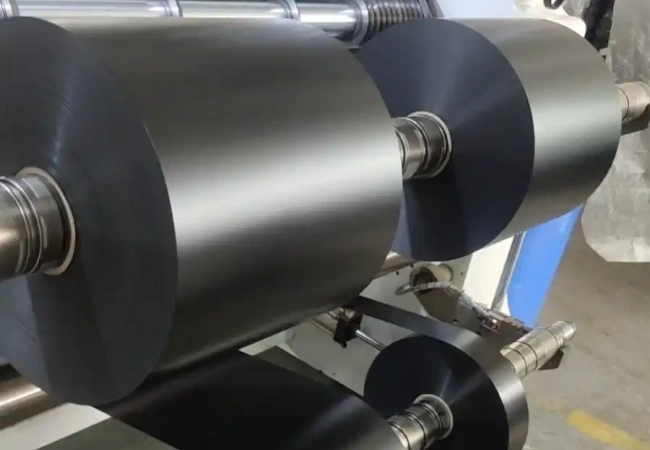
This problem is quite common among many film producers: same machine, same resin, same formulation — no problem today but tomorrow, the film rolls will be bonded, hard to unwind, and even need to be unwound manually.
The immediate reaction of most people will be to check the temperature setting, drawing rate, or cooling system. However, from our experience dealing with film customers for decades, what really matters in making a good film is actually its slip masterbatch.
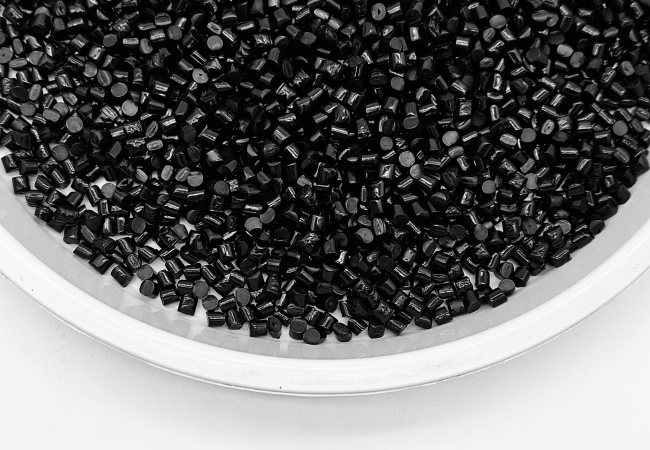
Not only will an ideal slip masterbatch help lower the coefficient of friction, but it should also be capable of achieving a good balance between dispersibility, heat resistance, migration rate, and resin compatibility. In particular for high-speed cast film, biaxially oriented film, and clear packaging film, if the slip system is not properly made, there will likely be haze, blooming, and poor printability issues.
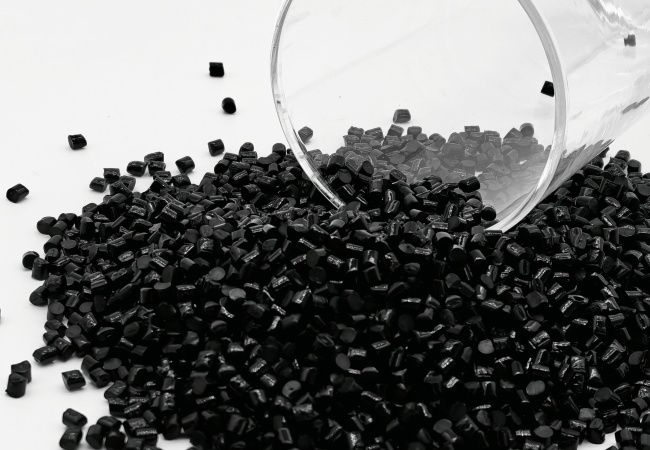
Let down ratio: 2-6%
Carrier: PE, PP, TPU, PC, EVA, etc.
MFI:5-50g/10min
Mositure:<0.3%
High content
Food contact grade
High batch stability
Low migration
Quantity per bag/box: 25Kg/500-1000KG
Weight per box (kg) : 8-10kg
Wooden fumigated pallets: 15-20KG
20-foot container: weight< 20T; the exact quantity depends on the type of masterbatch.
40-foot container: weight<28T; the exact quantity depends on the type of masterbatch.
As we have been operating in the film industry for many years now, our slip masterbatch has proved its suitability in different resin systems like PP and PE, and we give customized solutions in different processes. The active content of the product may be up to 15%, and thus we are able to maintain the slip effect at lower addition ratios and reduce usage costs for the customers.
In high speed cast film process, BOPP stretching, high temperature extrusion process, etc., we give high temperature slip masterbatch that does not get affected by thermal stability, volatilization and decomposition in the production process and has stable coefficient of friction in the process. Besides, based on the requirements of the products, we will formulate the super-slip masterbatch, antiblock slip masterbatch and other types of slip additive masterbatch.
Cast film has found applications in the packaging of foodstuffs, hygiene materials, and composite films in which the requirement for both slip property and transparency is extremely high. In case of the release of the slip system being too fast, there may be problems of migration, blooming, or effect on printing. In case of slow release of the slip system, there will be difficulty in winding. Our ER masterbatch can be tailored depending on different cast speeds and film thickness.
High ratio of biaxially oriented films needs stretching and heat setting, which imposes higher requirements on the slip masterbatch. Generally, conventional slip agents tend to experience volatility or dispersion inconsistency when exposed to high temperatures. Our high temperature slip masterbatch is designed specifically for the stretching process and guarantees constant slip performance even after exposure to high temperatures. It can be combined with antiblock masterbatch.
Surface friction control for PP and PE sheets is also essential when moving, stacking, and later thermoforming the sheets. In case the friction coefficient is relatively high, it leads to easy scratching of the surface and difficulty with automatic feeding.
From the experience gained, through the addition of slip additive masterbatch in the correct quantity, not only will sheet sliding properties improve, but equipment wear will decrease.
In most cases, the recommended addition ratio is 0.5% to 3%. For products with higher slip needs, a higher ratio could be used. The recommended ratio depends on resin material, film thickness, and COF (coefficient of friction).
High-quality slip masterbatch does not influence the transparency of film in any way. In case of the requirement for high optical properties, it is better to choose the specially developed slip masterbatch for transparent films.
This phenomenon shows that slip agents migrate to the film surface, and different slip agents migrate at a different speed. Based on the customer’s requirements regarding the product, we will suggest the suitable system.
Slip masterbatch is usually focused on reducing the coefficient of friction to achieve good slip performance. antiblock slip masterbatch can also help in decreasing the adhesion of film layers. Both should be used at the same time for better performance.
If your application is a high-speed process of cast film or biaxial orientation film, we would like to recommend high temperature slip masterbatch.
Using too much will have an influence on the printing process. Customized super-slip masterbatch and slip additive masterbatch can be provided according to the resin (PP, PE, etc.), process (blown film, cast film, stretching, sheet), target COF value and future printability and lamination requirement.