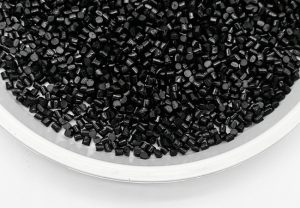
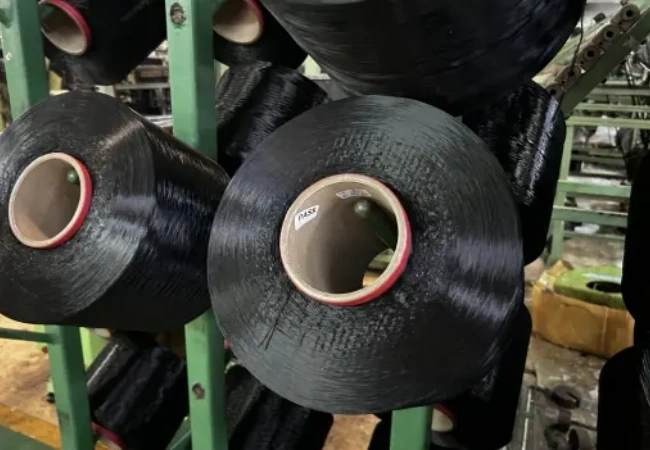
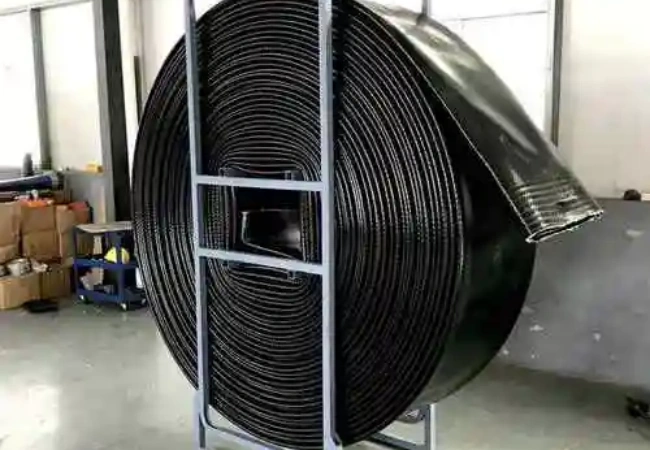
PET is highly crystalline, high processing temperature, such as spinning thread, processing temperature up to 290–300°C, PET is highly transparent, extremely sensitive to impurities
Masterbatch formula designs differently for PET bottles, PET spinning, PET films, and PET sheets. Clearly, generic carrier masterbatches on the market are unsuitable for PET. Choosing PET-specific carrier masterbatches is essential for long-term stable production.
Let down ratio: 1-10%
MFI:5-500g/10min
Mositure:<0.3%
Content: 10-55%
PET Antibacterial Masterbatch (Packaging, Consumer Goods)
PET Flame Retardant Masterbatch (Electronics, Appliances, Industrial Sheets)
PET Antistatic Masterbatch (Sheets, Films, Automated Production)
PET Matting Masterbatch (Matte Bottles, Sheet Appearance)
PET Slip Masterbatch (BOPET, Cast Films)
PET Weatherability Masterbatch (Outdoor Products)
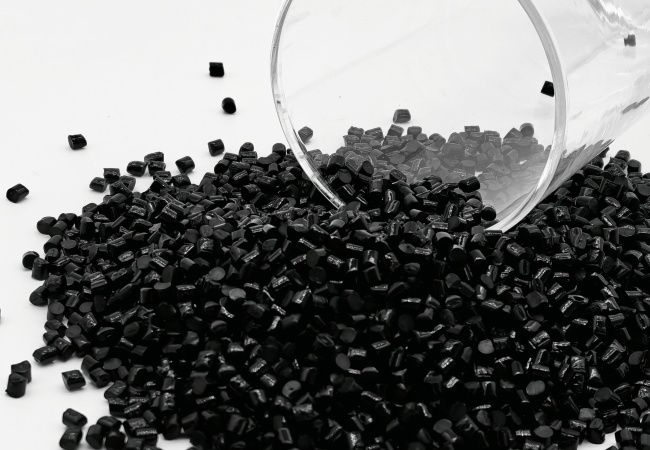
High-Temperature Processing Stability: No discoloration or degradation at 260–300°C
High dispersion, low additive volume: Standard has high dispersion processing technology. Under the same effect, the lower the additive volume, the higher the performance-to-cost ratio.
Low Migration, Low Volatility: If there is a requirement in this regard, our PET masterbatch basically do not migrate, do not volatilize.
Batch Consistency:Based on nearly 20 years of team and industry experience, we have mature formulas that match customer applications, products that are highly batch-stable, ensuring stable production for customers.
PET has a very low tolerance for dispersion, especially in bottle mold, film, or high-transparency products,where any incompletely dispersed pigments or additives is magnified as a defect.
Regulatory requirements are usually involved, such as ROHS, REACH, FDA, EU. For different bottles, the formula design is also different. For example, with some medicine bottles, compliance with regulations is a prerequisite, and many need to block certain band of light to ensure the quality of the contents.
PET fiber will produced under high-speed, and require masterbatch with excellent dispersion, stable heat resistance, and low filter pressure.
Our PET Masterbatch is designed for stable color consistency and smooth processing in polyester staple fibers, filament yarns, and nonwoven applications. With more than 50+ years formulations and strict batch control, the product helps reduce spinning breaks, color variation, and dispersion defects in large-scale fiber production.
For PET sheets and thermoforming applications, masterbatch must remain stable under high processing temperatures to avoid streaks, crystal spots, and surface haze.
Our PET Masterbatch uses heat-resistant pigments and PET-compatible carriers to ensure good dispersion and consistent color performance.
Combined with strict ISO-based quality control and laboratory testing, the product is widely used in food trays, cosmetic packaging, and transparent PET sheets.
PET film applications demand high transparency, low additive ratios, and stable dispersion performance.
Our PET Masterbatch is developed to minimize streaks, fish eyes, and surface defects while maintaining smooth film appearance and reliable processing stability.
Widely used in packaging films, protective films, and specialty PET film applications requiring consistent optical performance and batch stability.
PET has high processing temperatures, long retention times, and extremely high thermal stability requirements for pigments and enhancers. When selecting masterbatch, you should pay attention to the temperature tolerance grade of pigments, carrier compatibility with PET, and whether suppliers have batch validation experience, not just laboratory data.
Good-quality PET masterbatches are typically designed for PET to reduce the risk of black spots and poor appearance through finer pigment pre-treatment, higher-shear dispersion processes, and designs optimized for PET’s high cleanliness requirements.
Separate addition is recommended. Separate addition can be used in combination with these feature particles and any other product, improving product flexibility.
Apart from price, procurement should focus on the supplier‘s color development capability, raw material stability, batch control systems, and whether they have long-term service to the same class of customers, not just sample performance.
A mature masterbatch suppliers can usually quickly complete the formula design and first round of sampling after clearly defining application scenarios and processing conditions. Usually in about a week.
The main reasons that affect the price are: pigment grade, carrier purity, dispersion process complexity and quality control difficulty, and processing losses.