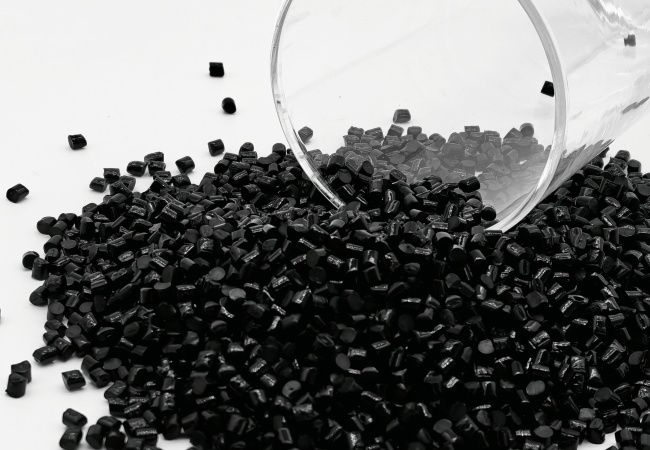
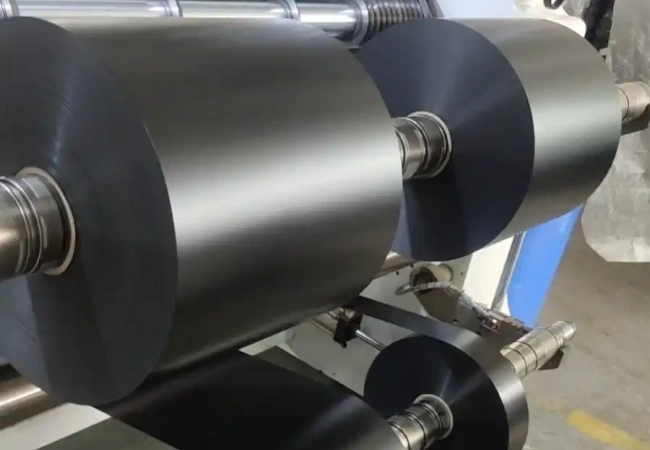
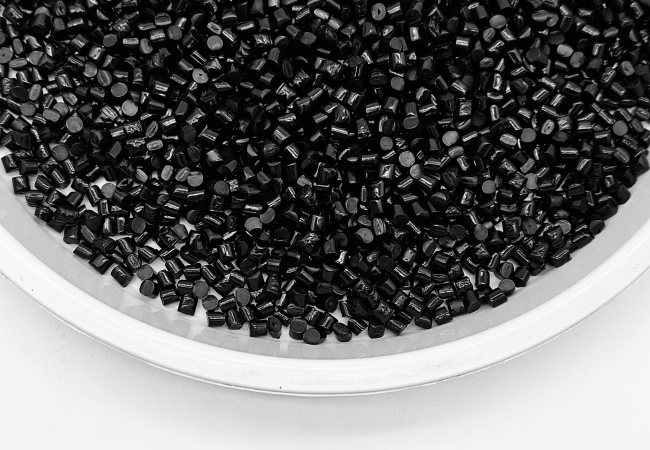
Standard specializes in purple masterbatch customization, for purple easy fading, color difference is difficult to control, we provide customized scientific color scheme, using selected purple pigment and precision carrier matching process, from the luxury of cosmetic packaging to the durability of outdoor building materials.
Recommend the best formula for your process to improve the smoothness and yield. We not only provide color, but also provide you with the verified process parameters package, so that every touch of purple are accurate and reliable!
Send Your Inquiry Today
Key informations
Let down ratio: 1-10%
MFI:5-50g/10min
Mositure:<0.3%
Precise color matching with low fluctuations
Uniform Dispersion
Wide Temperature Range Stability
High gloss enhances product quality
Anti-Caking + Moisture-Proof for Stable Long-Term Storage
General-purpose plastics: PE/LDPE/HDPE/PP
Engineering plastics: ABS/PS/PA/PBT
Bioplastics: PLA/PBAT
Elastomers: TPE/TPV/TPU
Imperial Purple
Lavender Purple
Grape Purple
Roland Purple
Violet
Dark Purple
Light Taro Purple
Electric Purple
Application Scenarios
Packaging: Purple masterbatch for packaging offers high gloss transparency, safety, and using low-migration formulations and food-grade carriers. Suitable for food films, cosmetic packaging, and gift box packaging.
Outdoor Building Materials: Used for outdoor pipes, sunshade films, and household Anti-UV additives help improve light resistance and reduce fading problems in outdoor applications.
Non-woven Fabrics and Fibers: Supports customized purple shades for different design requirements. Additives can beincluded to help extend the
3D Printing Consumables: Standard developed a low-shrinkage purple masterbatch for 3D printing applications. The high-flow formulation provides uniform dispersion and consistent surface colors.
We are an advanced company specializing in the R&D and production of high-quality Fire Retardant Masterbatch. Our niche in the market is that of being “the fire retardant expert for high-dispersion applications.”
Each and every FR MB particle embodies the safety objective of the final product. We possess our own material testing laboratory that is capable of recreating the extrusion and spinning conditions of customer’s production facilities. In addition to masterbatch supplies, we apply analytical methods to help customers address challenging fire-retardant issues around the globe.
Looking for rapid color change in shoes, garments, toys, and water bottles exposed to sunlight or UV rays?
Our company can provide various options using photochromic masterbatch to allow you to have:
l ·Rapid photochromic reaction with color change effect
l ·Small dosage and hence lower costs
l ·Multiple carrier compatibility
l ·Environmentally-friendly and hence capable of being exported internationally
l ·Customizable color change
Add instant photochromic feature to your products and attract consumers!
Standard has more than 50 years of experience in antioxidant formulation and almost 20 years of antioxidant masterbatch solution. We mainly concentrate in developing high performance Antioxidant Additive masterbatch, which involves many application industries as following:
Film industry
Spinning industry
Non-woven fabric industry
Based on our practical experience:
For PE film, it can increase the lifetime of products by means of using optimized antioxidants polymer additives.
For high-temperature spinning, it increases thermal degradation during spinning process, thus increasing its stability of quality
For non-woven fabrics, its long-term stability is greatly increased
The antioxidant solutions have a lot to do with the formulation. But in addition, the dispersion of masterbatch, material compatibility and material processing temperature also make an impact on the end result.
Send Your Inquiry Today
Exclusive Solutions Breaking Away from Conventional Formulas
Support the Full-spectrum Customization
Standard Polymer support the full-spectrum customization from light violet, dark violet to special effect violet (pearl violet, fluorescent violet, magic violet) , and strictly implement the precise control of saturation, and through the spectrometer + multi-source box verification, to avoid“Sample and mass production color difference.”
Send Your Inquiry Today
Performance-Oriented Targeted Customization
For food contact, outdoor, medical and other multi-scene, support“Coloring + seed function” overlay, without additional deployment of customers, to achieve increased production efficiency.
Send Your Inquiry Today
Full Process Adaptation Customization
We adjust the masterbatch parameters according to your processing method, clearly specify the processing temperature, add proportions, improve carrier compatibility, and avoid the phenomenon of “broken threads, crystal points, and surface defects” as much as possible.
Send Your Inquiry Today
Reliable purple master batch factory! Let us know your enquiry!
Send Your Inquiry Today
Related Products
Frequently Asked Questions:
Are the pigments used in purple masterbatches usually more expensive than regular colors? Why?
Yes. High performance organic purple pigments (such as PV23 and PV37) have complex chemical synthesis process and high cost of raw materials, resulting in their price significantly higher than many commonly used yellow and red pigments. This is an important component of the cost of purple masterbatch.
What are the special requirements for Masterbatch of purple plastic products used in food packaging or children's toys?
Such applications require that the masterbatch meet strict regulatory mobility standards. Pigments and all additives are required to comply with regulations such as FDA, EU 10/2011 (food contact), EN 71-3 (toys), etc., to ensure that no harmful substances are released. A compliance statement or test report is usually required from the supplier.
Can purple masterbatches produce special effects such as pearlescent, metallic, or fluorescent effects?
Yes. This requires the addition of appropriate effect pigments in the formula, such as Mica (pearlescent effect) , aluminum powder (metal effect) or special fluorescent pigments. However, it should be noted that these effect pigments are sensitive to shear forces and the process needs to be adjusted to avoid damaging effects.
When injection molding thick-walled products, is purple more prone to flow marks or uneven color?
Possibly. Because purple is sensitive to shear and flow, differences in pigment orientation may result in visible streaks (flow marks) at the confluence of melt fronts. This needs to be improved by optimizing the fluidity of the masterbatch and the processing process.
Why do purple masterbatch differ greatly in color and performance based on different pigments (such as PV23 vs. PV37)?
This is core knowledge for purple masterbatch. PV23 (quinacridone purple) has a bluish tint and excellent weather tolerance; PV37 (diazine violet) has a reddish tint and strong staining power but slightly less weather tolerance. Understanding these differences is the foundation for precise selection.
Why are the chemical resistance requirements for purple masterbatch particularly strict in the medical or device field?
Purple products (such as catheter handles and instrument housings) often come into contact with various potent agents (e.g., hydrogen peroxide and ethylene oxide). Some purple pigments may react chemically through oxidation or reduction after repeated exposure to these agents, leading to fading or discoloration.So it is necessary to select special pigments with excellent chemical inertia.