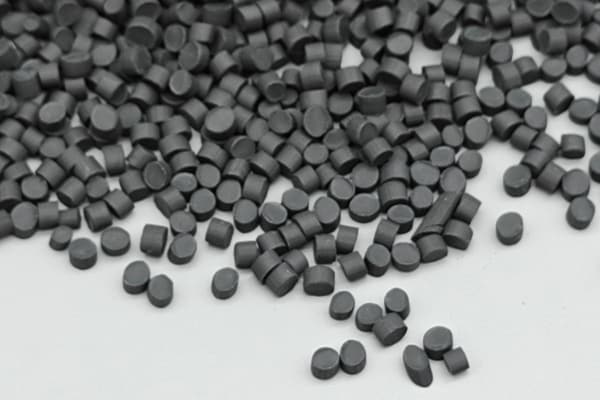

Carrier Resin
Polyethylene - LDPE, LLDPE, MDPE, HDPE, EMA, EVA
Polyethylene is the most widely produced type of general-purpose plastic. It is non-toxic, lightweight, resistant to low temperatures (-70°C), chemically resistant, and has good processing flow. It is mainly divided into HDPE, LDPE, LLDPE, and other types.
HDPE has a high density (0.941-0.965g/cm³), is hard in texture, has good heat resistance, with a melting point of 130-135°C, and good processing performance. It can be processed into various products through injection moulding, blow moulding, extrusion, and other methods, primarily used in bottles, pipes, barrels, and other areas.
LDPE has a low density (0.910-0.925g/cm³), is soft in texture, but has poor heat resistance, softening easily at high temperatures, yet is easy to process and shape, widely used in food packaging, agricultural films, wires, and cables.
LLDPE has a density between LDPE and HDPE, with a melting point slightly higher than LDPE, good thermal stability, puncture resistance, and tear resistance. It is used in stretch wrap films, garbage bags, heavy packaging, and other applications. Standard provides customised colour matching for the entire range of PE materials, ensuring excellent performance for downstream films, pipes, wires, cables, and other products.
Send Your Inquiry Today
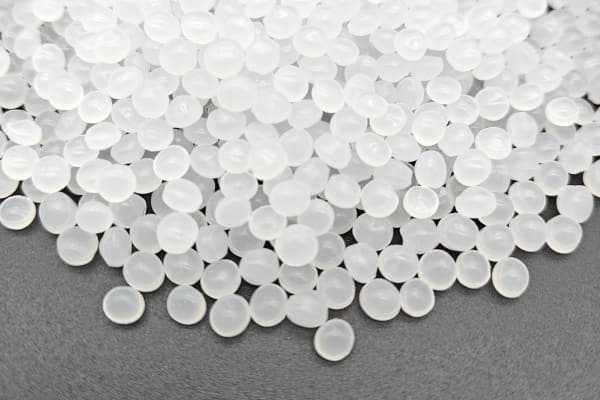
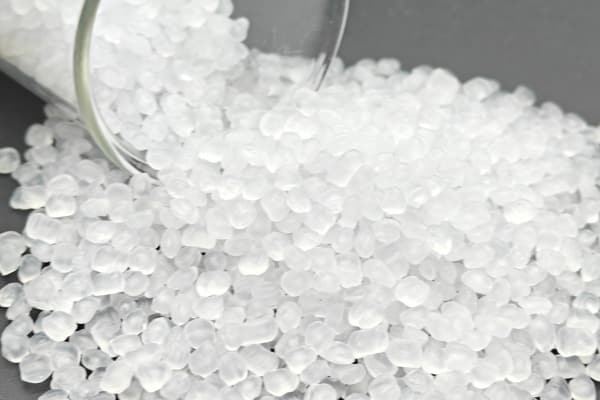
Polypropylene - PP-H, PP-C, PP-R
Polypropylene (PP) is the lightest thermoplastic resin, characterised by its lightweight (density about 0.90-0.91g/cm2), semi-transparent to opaque, odourless and non-toxic properties. Its continuous use temperature can reach 100-120°C, with a heat distortion temperature of 90-100°C. At the same time, it is resistant to acids, alkalis, salts and solvents, and has good moisture resistance.
According to its structure, it is divided into homopolymer (PP-H), block copolymer (PP-C) and random copolymer (PP-R).
Among them, PP-H is rigid and heat-resistant, suitable for packaging films, fibres, and home appliance injection moulding;
PP-C has strong impact resistance, commonly used for automotive parts;
PP-R has good transparency, low temperature resistance and toughness, making it the preferred choice for pipes and transparent containers.
Standard can provide specialized carrier masterbatches and functional masterbatches for these three types of PP, widely applied in films, non-woven fabrics, spinning, pipes, injection moulding and other products.
Send Your Inquiry Today
Polyesters (PET, PBT, PC)
Polyesters (PET, PBT, PC, etc.) are commonly used polymer materials with excellent properties such as high temperature resistance, high strength, and chemical corrosion resistance, but they have poor weather resistance and are prone to hydrolysis, primarily referring to PET and PBT.
PET has good heat resistance (heat deflection temperature around 70-80℃), and is also resistant to oil and dilute acid. It has high transparency, high mechanical strength, and good toughness, making it mainly suitable for beverage bottles, polyester fibres (clothing), films, and more.
PBT has a very fast crystallisation rate, short processing cycle, excellent electrical insulation, and strong impact resistance, and is widely used in electronic and electrical housings, connectors, toothbrush bristles, and other fields.
PC has excellent heat resistance and flame retardancy, with a heat deflection temperature range of 130-143℃, and at room temperature can withstand weak acids and alkalis, salt solutions, oils, detergents, and other common substances, while also offering high strength and high transparency, making it suitable for optical packaging, electronic housings, and automotive interiors.
Standard can provide specialised masterbatches precisely adapted for PET, PBT, and other full-category substrates, with performance on par with international advanced standards, suitable for films, spinning, injection moulding, and other fields.
Send Your Inquiry Today
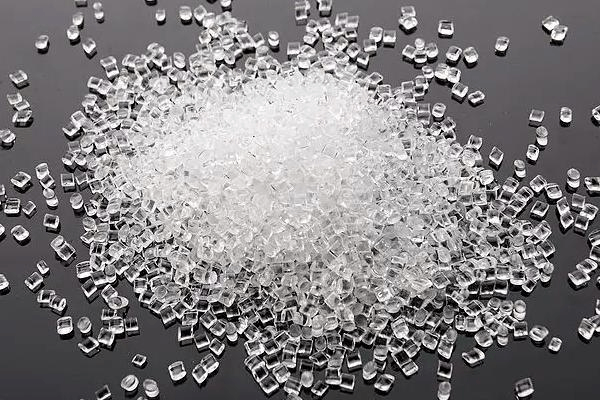
Nylon-PA6, PA6/66, PA12
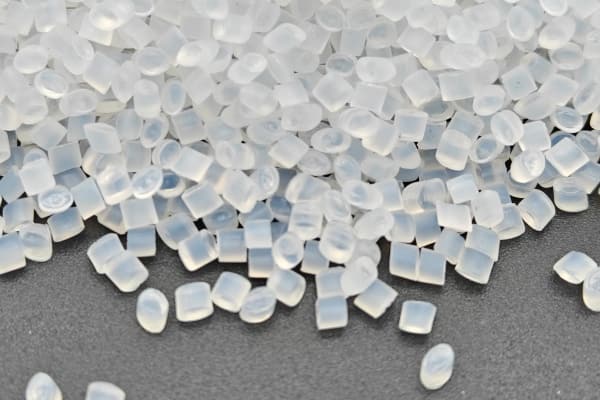
Nylon (PA) is the most mechanically strong general-purpose engineering plastic, with good toughness, wear resistance, and self-lubricating properties, but it has high water absorption, including PA6, PA66, PA12, PA46, etc.
PA6 has a relatively low melting point (215-225℃), excellent toughness, strong impact resistance, and higher moisture absorption. It is commonly used in textile fibres, electronic connectors, automotive interior parts, and other fields.
PA66 has a high melting point (250-265℃), with superior heat resistance and chemical resistance compared to PA6, as well as high rigidity, hardness, and excellent mechanical strength, widely used in high-strength industrial fabrics and automotive engine peripheral parts (cable ties, bearings).
PA12, a special nylon, has excellent low-temperature performance but very low water absorption, low friction coefficient, and is used in oil pipes, cable sheaths, and precision electronic connectors.
Standard Nylon-specific masterbatches can withstand heat up to 300℃, suitable for injection moulding, extrusion, spinning, and other processes. They are now widely used in spinning, piping, and modified materials.
Send Your Inquiry Today
Elastomers-TPE,TPU,TPV,TPO,TPEE
Elastomers are polymer materials that exhibit rubber elasticity at room temperature and can be plastically molded at high temperatures. They combine the high elasticity of rubber with the processability of plastics, and can withstand large deformations at room temperature and recover quickly. The main types include TPE, TPU, TPV, TPO, and TPEE.
TPE has strong thermoplastic properties, is melt-processable and recyclable, and combines the elasticity of rubber with the strength of plastic, while also being lightweight. It is widely used in sealing strips, sports equipment grips, and handles.
TPU has excellent wear resistance, oil resistance, and aging resistance, a wide range of hardness, high load-bearing capacity, and high elastic recovery rate. Therefore, it is often used in films, air and oil pipes, and medical catheters.
TPV has excellent high-temperature resistance (up to 135℃) and chemical corrosion resistance. It has low compression set and strong fatigue resistance. It is used in automotive door and window seals and dust covers.
TPEE has excellent thermal stability, is not easily deformed by repeated heating and cooling, and is oil-resistant, chemically resistant, wear-resistant, and has excellent tensile strength. It is mainly used in wires and cables, sealing strips, conveyor belts, and cushioning components.
Standard develops masterbatches for all types of elastomer base materials, and can integrate antibacterial and UV-resistant functions, providing customized coloring solutions for high-end applications such as automotive seals and medical tubing.
Send Your Inquiry Today
Others - ABS and Alloys, PLA, etc.
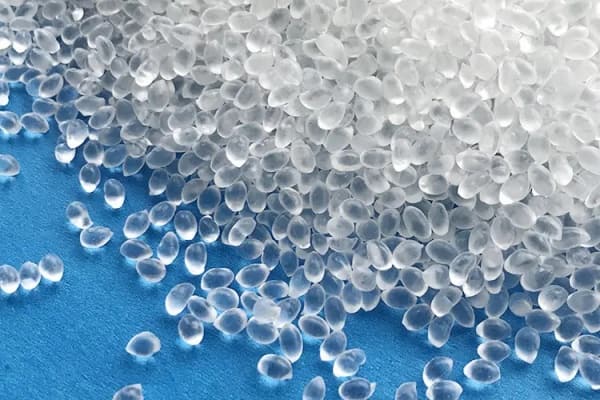
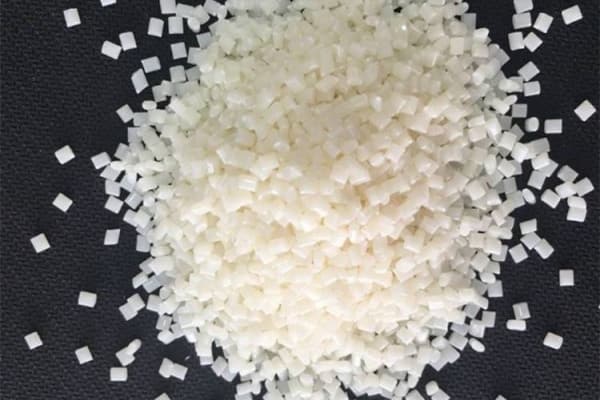
ABS is the most widely produced general-purpose engineering plastic, possessing excellent impact resistance, heat resistance, chemical resistance, and surface gloss. It is easy to electroplate and paint, and combines rigidity, hardness, and toughness. It is used in applications such as household appliance casings, automotive interiors, and mobile phone cases.
Standard can add functional additives such as antistatic agents, UV stabilizers, flame retardants, and antibacterial agents to masterbatches for the above base materials. These products comply with international regulations and standards such as FDA, RoHS, and REACH, and are suitable for global export.
Send Your Inquiry Today
Polystyrene-PS, HIPS,GPPS
Polystyrene is a colourless and transparent thermoplastic with excellent electrical insulation and processability, but it is brittle and prone to cracking, with poor weather resistance. It includes types such as GPPS and HIPS.
GPPS has general heat resistance, resistance to acids, alkalis and salt solutions, high light transmittance, good rigidity, and excellent tensile strength, and is widely used in packaging, toys, and electronics.
HIPS has strong impact resistance, good toughness, appears milky and opaque, has excellent chemical corrosion resistance, slightly lower heat resistance, and is widely used in TV casings, toys, and packaging liners.
Standard polystyrene masterbatches disperse evenly, retain the transparency of the base material, high impact resistance and other original properties, and can be certified for REACH, FDA and food contact safety.
Send Your Inquiry Today
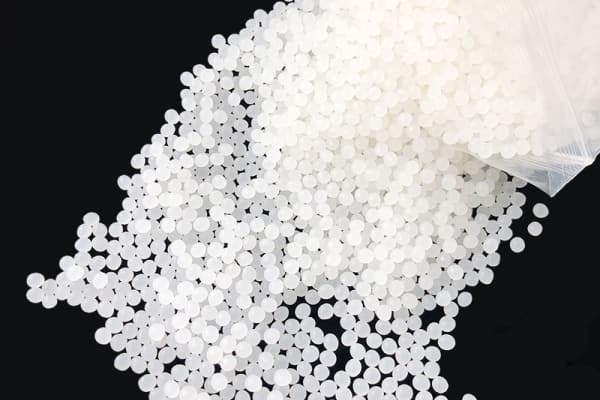
Degradable resins (PLA, PBAT)
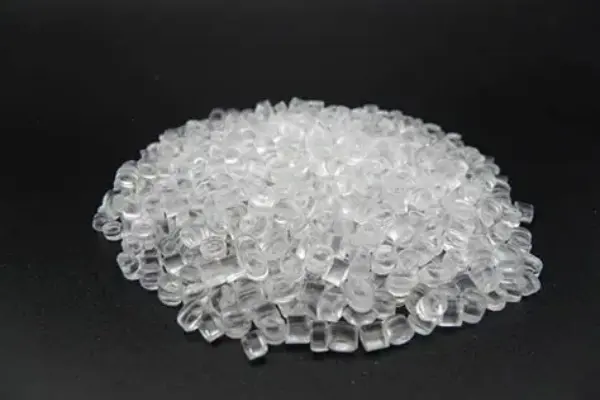
Degradable resins are environmentally friendly polymer materials made from biomass. They are environmentally friendly materials to replace traditional plastics, but they generally have the problems of poor heat resistance and high cost. Common types include PLA, PBAT, etc.
PLA (polylactic acid) is highly rigid, has excellent transparency, and a relatively high melting point (about 150-180℃), but its heat resistance is average (the heat distortion temperature is only around 60℃). It is mainly applied to high-transparency packaging films, disposable tableware and 3D printing materials.
PBAT (polybutylene adipate/terephthalate) has a relatively low melting point of about 110-120℃, good thermal stability and excellent hydrolysis resistance. It also has extremely high flexibility and a soft hand feel similar to LDPE. It is widely used in fields such as plastic film, express packaging film, and garbage bags.
Standard can provide UV masterbatches, antibacterial masterbatches, antistatic masterbatches and other functional masterbatches for degradable resin substrates, which are suitable for the film and packaging fields.
Send Your Inquiry Today
Supports processing of customer-supplied materials
Standard supports toll manufacturing services for color masterbatches, and can customize masterbatches according to customer specifications.
Based on nearly 20 years of industry experience and U.S. background, we can precisely match various base materials.We use advanced pre-dispersion technology to ensure uniform dispersion of pigments and additives, and our strict quality control system guarantees batch consistency.
We support small-batch customization, offering short sampling cycles and efficient delivery. Our products can pass various environmental certifications, helping customers reduce costs and increase efficiency, and Standard has received favorable reviews from customers domestically and internationally.
Send Your Inquiry Today