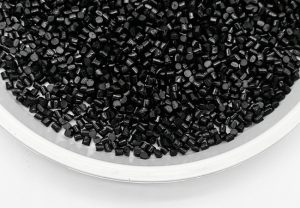
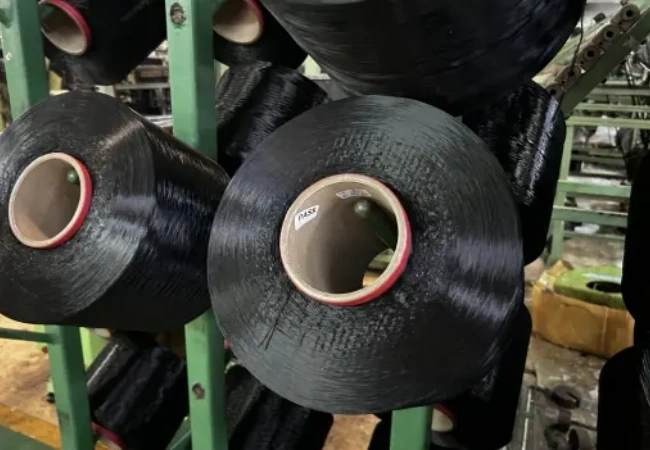
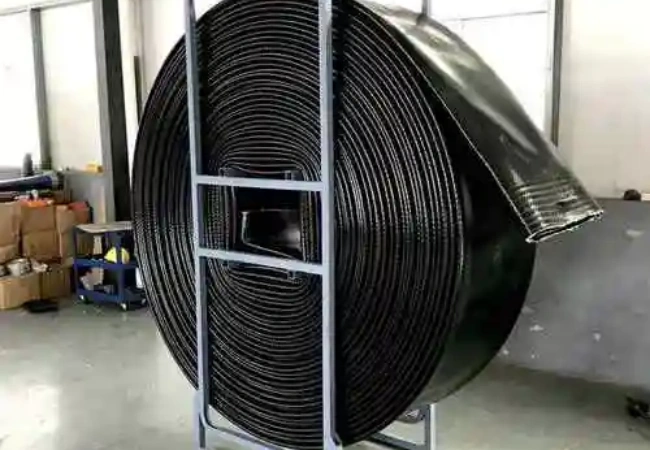
Standard has deep experience in the masterbatch industry, specializing in the R&D and production of high-quality thermochromic masterbatches.
Based on a stable formulation system developed over many years, our thermochromic masterbatches respond sensitive within specific temperature ranges, achieving clear and reversible color changes. They are suitable for various processing techniques including injection molding, extrusion, and film production.
We customize color-change temperature points, color combinations, and carriers to meet your requirements. With advanced testing equipment and an experienced technical team, we support customized development, sample testing, and mass production for thermochromic masterbatches, creating market-attractive thermochromic solutions for you.
Choose standard to make your product stand out in the market.
Let down ratio: 1-10%
MFI:5-500g/10min
Mositure:<0.3%
Content: 10-30%
General-purpose plastics: PE/LDPE/HDPE/PP
Engineering plastics: ABS/PS/PA/PBT
Bioplastics: PLA/PBAT
Elastomers: TPE/TPV/TPU
No color to yellow
No color to red
No color to blue
No color to purple
No color to green
Color to colors
We can customize the temperature range for color change according to your needs and precisely trigger color shifts to meet temperature response needs.
We use high-quality colorants, meeting international standards such as REACH, FDA food-grade certification, and ISO 10993.
It can maintain stability in processing environments like injection molding, blow molding, and extrusion without compromising color-changing properties.
Consistent color transitions across different batches with natural transitions.
① Color-to-Color Change – After temperature triggering, the color change effect is significant and visually striking.
② Color-to-Colorless Cyclic Switching – When the environment is below the set temperature, it displays color; above the set temperature, it becomes transparent or light-colored, and when the temperature drops again, it returns to the original color.
③ Cold-Activated Color Change – Color change triggered at 5℃-15℃, sensitive response, no lag in cold start.
④ Body Temperature Color Change – Color change triggered at 22℃-35℃, good reversibility, performs well on flexible substrates.
⑤ High-Temperature Color Change – Color change triggered at 40℃-70℃, not easily degraded at high temperatures, not prone to precipitation or fading.
⑥ Multi-Stage Color Change – Different colors are displayed in multiple temperature ranges, providing a strong visual layering effect and smooth transitions.
⑦ High-Contrast Dark Substrate Compatibility – Color change remains clearly visible on dark injection molded parts or films.
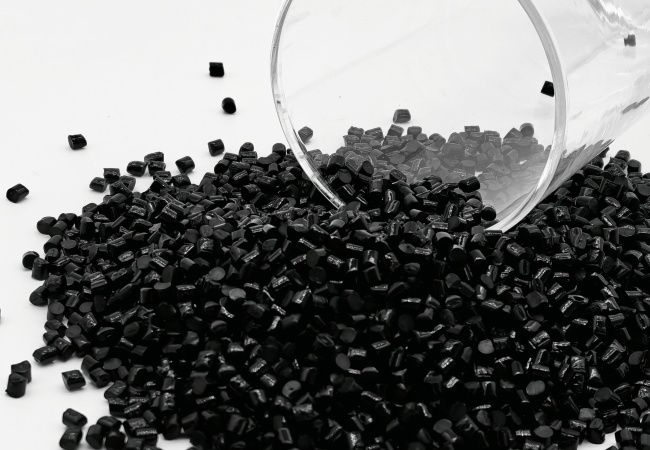
Accurate trigger temperature ranges can be set to cover different temperature control levels precisely. Widely used in cold chain shipping, drug transportation, food safety packaging, and other fields, it helps to quickly confirm whether conditions exceed safe limits.
Such as temperature-sensitive masks, health care products, and temperature-responsive clothing. The masterbatch offers high sensitivity to human body temperature zones and stable color performance, maintaining color-change effects without fading.
Usually added directly to the plastic of water cups or dishes, it maintains stable color-changing effects during repeated use without fading or losing effectiveness, meeting the temperature-sensing needs of daily use.
Such as toys and educational supplies. Color masterbatches ensure products resist color residue during repeated color-changing cycles, extending their lifespan. They also comply with environmental regulations like ROHS/REACH, enhancing product appeal while maintaining safety standards.
Our thermochromic masterbatches maintain good reversibility and color consistency under repeated contact with the human body, and are less prone to problems such as “color fatigue” or “residual color.”
Yes. Standex can provide various color schemes and color matching within the body temperature range according to customer product positioning and design requirements.
Thickness does have an impact. However, during the sampling stage, we will adjust the formula based on your product thickness and processing technology to ensure consistent color change effects.
The recovery phase is the most easily overlooked part of thermochromic behavior. We focus on researching solutions for the color recovery phase, and through formula adjustments, we can reduce color deviation problems that occur after repeated use of the masterbatch.
High humidity itself will not directly trigger thermochromic behavior, but it may affect the speed of temperature conduction. During the testing and evaluation phase, Standex verifies the impact of humidity on the display rhythm and optimizes the formula to reduce the impact of humidity on thermochromic display.
This risk exists. It is recommended that customers confirm with samples in advance when using multiple colors.
Yes! The raw material structure in thermochromic masterbatches is sensitive. During plastic product manufacturing, it is important to minimize screw shearing and reduce screw residence time to maximize the thermochromic effect.