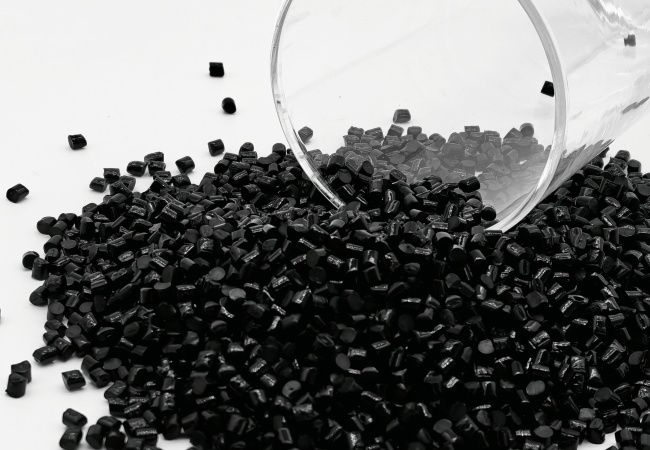
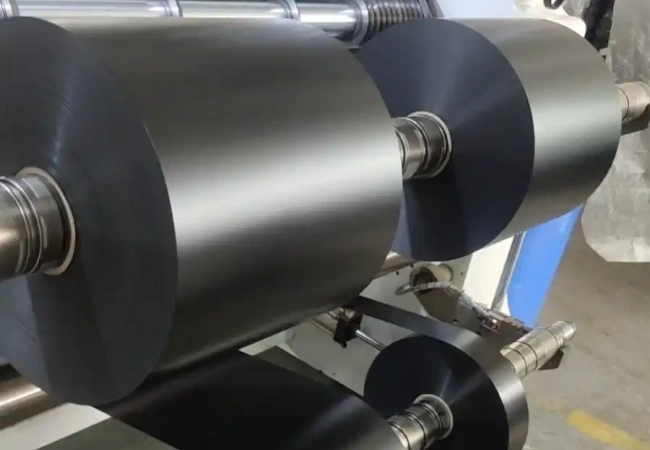
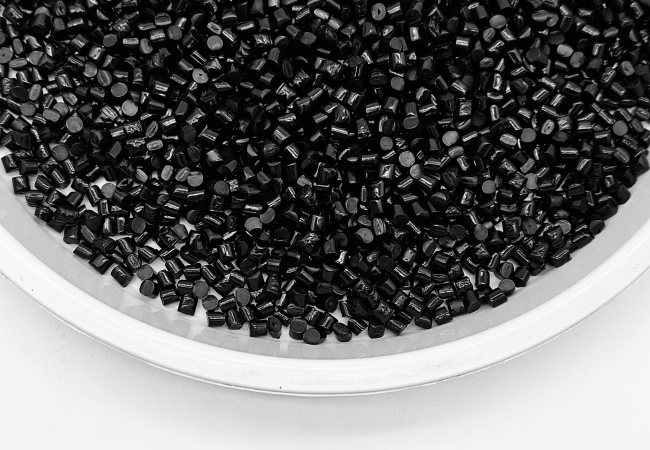
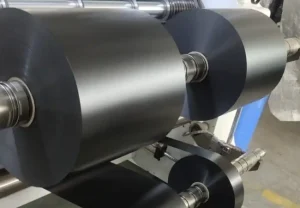
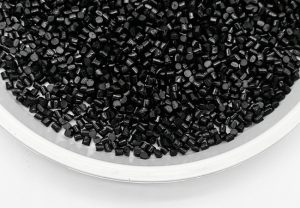
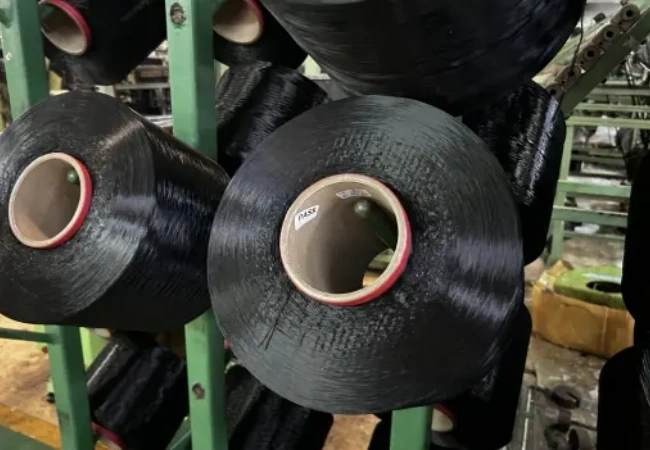
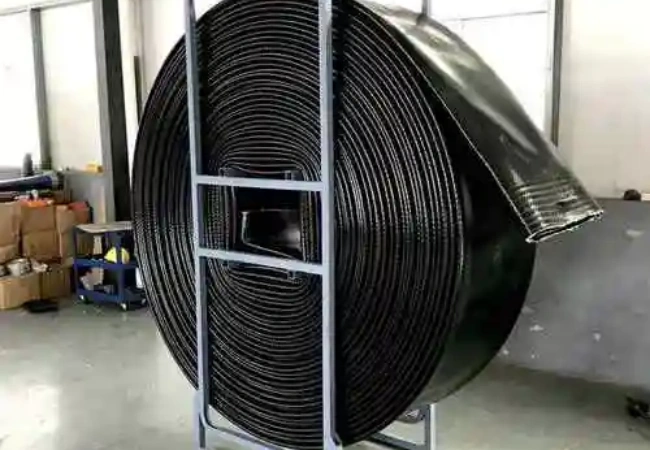
Gray seems like the most basic color, yet a good gray is capable of delivering very high visual standards.
However, when it comes to the plastics sector, grey masterbatch is the most problematic color to produce.
Black dots?
Gels?
Big variations between different batches?
In terms of our production practice, controlling gray masterbatch consistency proves more challenging than other solid colors.
Send Your Inquiry Today
Key informations
Let down ratio: 2-10%
Carrier: PE, PP, TPU, ABS, PC, PET, PA, EMA, etc.
MFI:5-1000g/10min
Mositure:<0.3%
High dispersion
High quality feelings
Uniform colors
Environment friendly
Quantity per bag/box: 25Kg/500-1000KG
Weight per box (kg) : 8-10kg
Wooden fumigated pallets: 15-20KG
20-foot container: weight< 20T; the exact quantity depends on the type of masterbatch.
40-foot container: weight<28T; the exact quantity depends on the type of masterbatch.
Why is Gray Masterbatch Difficult to Handle?
Gray masterbatch is not simply “one pigment” as it consists of:
Carbon black
Titanium dioxide
Toning pigments
In a definite ratio.
From our experience, there may be differences between various gray formulations; however, the key ingredients of titanium dioxide and carbon black generally create color specks. This seriously puts the reliability of a supplier to the test.
We are an advanced company specializing in the R&D and production of high-quality Fire Retardant Masterbatch. Our niche in the market is that of being “the fire retardant expert for high-dispersion applications.”
Each and every FR MB particle embodies the safety objective of the final product. We possess our own material testing laboratory that is capable of recreating the extrusion and spinning conditions of customer’s production facilities. In addition to masterbatch supplies, we apply analytical methods to help customers address challenging fire-retardant issues around the globe.
Looking for rapid color change in shoes, garments, toys, and water bottles exposed to sunlight or UV rays?
Our company can provide various options using photochromic masterbatch to allow you to have:
l ·Rapid photochromic reaction with color change effect
l ·Small dosage and hence lower costs
l ·Multiple carrier compatibility
l ·Environmentally-friendly and hence capable of being exported internationally
l ·Customizable color change
Add instant photochromic feature to your products and attract consumers!
Standard has more than 50 years of experience in antioxidant formulation and almost 20 years of antioxidant masterbatch solution. We mainly concentrate in developing high performance Antioxidant Additive masterbatch, which involves many application industries as following:
Film industry
Spinning industry
Non-woven fabric industry
Based on our practical experience:
For PE film, it can increase the lifetime of products by means of using optimized antioxidants polymer additives.
For high-temperature spinning, it increases thermal degradation during spinning process, thus increasing its stability of quality
For non-woven fabrics, its long-term stability is greatly increased
The antioxidant solutions have a lot to do with the formulation. But in addition, the dispersion of masterbatch, material compatibility and material processing temperature also make an impact on the end result.